

CRIDTTL Reads Riot Act , Caution Chief Leonard Okafor Over Use Of Proscribed Royal Titles In Diaspora
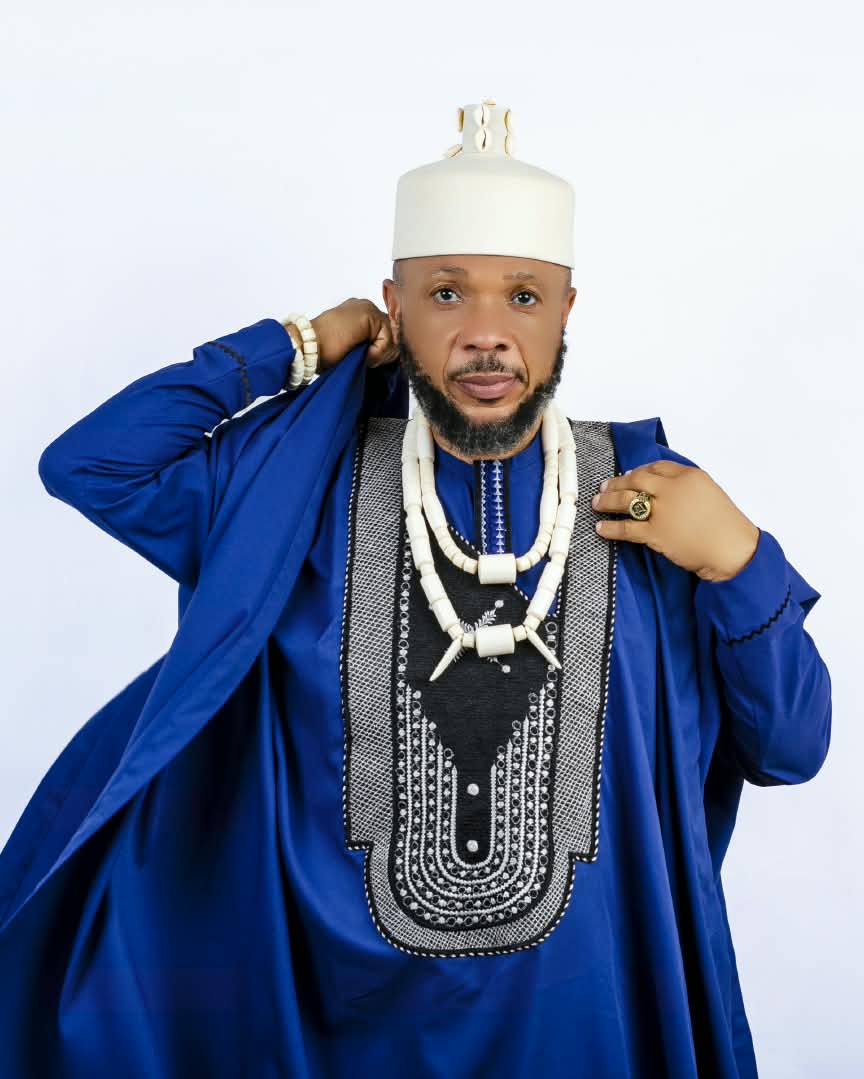
Angered by what it described as flagrant abuse and disdainful disregard to constituted government authority and Traditional Igbo leadership, the Committee on the Regularization of Igbo Diaspora Traditional Title and Leadership (CRIDTTL), has bare its fangs on those disobeying it’s directives on Proscribed Ezeship titles.
Reading a riot act through a letter directed to Chief Leonard Okafor ,also known as Oba Ojoto, CRIDTTL says such practice undermines established Igbo leadership framework.

Urging immediate cessation , the Committee issued a strong formal warning to the factional president of Ohanaeze Ndigbo Lagos State , over what it described as his continued use, conferment and recognition of proscribed royal titles outside Igboland.

The Committee advise Chief Okafor to Preserve Igbo Identity ,Cultural Values by desisting from Using proscribed Royal Titles
In the above said letter addressed to Chief Okafor and signed by it’s Secretary, Prince Ubochi Ubochi, the Committee which was established by the South-East Council of Traditional Rulers (SECTR), expressed concern over Chief Okafor’s alleged continued involvement in publicly addressing, recognising or promoting individuals with titles including Eze, Eze Ndigbo, Eze Igbo, Igwe, Obi, HRH, HRM and other similar royal or monarchical designations.
The Committee insisted that such practices are inconsistent with the current institutional framework established for Igbo traditional and cultural leadership in the diaspora.
This warning it explained ,is coming on the heels of the April 9, 2026 position announced by Ohanaeze Ndigbo Worldwide, which prohibited the conferment and use of the title Eze, Eze Ndigbo or Ezeigbo outside Igboland.

The above, the Committee further said, was announced by the President-General, Senator John Azuta-Mbata, following consultations involving Ohanaeze and the South-East Council of Traditional Rulers.
A position which Ohanaeze Ndigbo was said to have subsequently adopted in its 2026 amended constitution.
Clarifying , CRIDTTL explained that ” the development of the new Onyendu Ndigbo framework is intended to provide a structured form of Igbo cultural representation outside Igboland while avoiding the creation of parallel traditional authority in host communities”.
The Committee noted that SECTR subsequently implemented the new framework through CRIDTTL, with recognised diaspora leaders being designated as Onyendu Ndigbo, rather than traditional monarchs.
CRIDTTL further warned that , “This will not be tolerated henceforth”, stating that the continued promotion of proscribed royal nomenclature, despite the position of the relevant Igbo institutions, could create confusion over the identity and authority of recognised Igbo leadership in the diaspora.
Recall that a popular National Television reported that the new designation was intended to distinguish diaspora cultural leadership from territorial traditional rulership.
The Committee therefore directed Chief Okafor to cease and desist from conferring, recognising, promoting or publicly presenting anyone under the aforementioned royal titles in circumstances covered by the directive.
It further urged him to discontinue any programme, ceremony, publication or documentation that purports to create or sustain such traditional authority outside the approved framework.
The Committee stressed that the issue was not about preventing Ndigbo from celebrating their culture, traditions or heritage, but about ensuring that cultural leadership does not become confused with territorial traditional rulership or conflict with established institutions in host communities.
Further Insisting on institutional discipline,the Committee said any further documented instance of the continued use or conferment of the proscribed titles would be formally documented and could be referred to Ohanaeze Ndigbo Worldwide, SECTR, relevant government authorities and other appropriate institutions for necessary action.
CRIDTTL reaffirmed its commitment to promoting orderly, responsible and credible Igbo leadership across the diaspora, stressing that recognised Onyendu Ndigbo are expected to function as cultural representatives and leaders within their respective domains while respecting the laws, customs and traditional institutions of their host communities.
The Committee also appealed to all Igbo organisations, community leaders and stakeholders to support the emerging framework and avoid actions capable of creating competing or parallel traditional leadership structures.
The warning comes as CRIDTTL continues its work of screening, vetting and regularising Igbo diaspora leadership under the Onyendu Ndigbo framework.
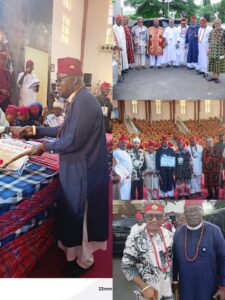
The first induction of 32 diaspora leaders took place in May 2026, while a further induction was subsequently held in July.
CRIDTTL said its objective remains clear; to preserve Igbo identity and cultural values, while ensuring that Igbo diaspora leadership operates with dignity, discipline, institutional recognition and respect for host-community authorities